India’s plastic manufacturing industry continues to play a vital role in supporting packaging, healthcare, agriculture, automotive, construction, FMCG, and consumer goods sectors. Despite increasing awareness about sustainability, the demand for recyclable and high quality plastic products remains strong due to rapid industrial growth and expanding domestic consumption.
For aspiring entrepreneurs, setting up a small plastic manufacturing unit offers an excellent opportunity to build a profitable manufacturing business with moderate investment. However, success depends on proper planning, selecting the right machinery, understanding raw material costs, preparing a realistic project report, and estimating future profitability.
Many first time entrepreneurs underestimate the total project cost because they focus only on machinery expenses. In reality, factory setup, utilities, working capital, licenses, labor, and operational expenses also contribute significantly to the overall investment.
In this guide, we explain the complete Cost to Set Up a Small Plastic Manufacturing Unit in India. You will learn about investment requirements, machinery, raw materials, market opportunities, estimated profits, and how a professionally prepared Detailed Project Report can improve your chances of obtaining bank finance and government subsidies.
India’s Plastic Manufacturing Market
India has become one of the fastest growing plastic processing industries in the world. Growth is driven by increasing consumption across multiple industries.
Market Snapshot
| Factor | Details |
|---|---|
| Industry Size | Over USD 45 Billion |
| Annual Growth | 8 to 10 percent |
| Major Demand | Packaging, Agriculture, FMCG, Medical, Automotive |
| Export Potential | Growing steadily every year |
| Employment | Millions employed directly and indirectly |
Industries Creating High Demand
- Food packaging
- Pharmaceutical packaging
- Household products
- Plastic containers
- Water tanks
- Agricultural pipes
- Automotive components
- Disposable products
- Industrial packaging
Business Insight
Small manufacturers supplying local industries often enjoy stable repeat orders and lower logistics costs compared to large national suppliers.
Why Should You Set Up a Small Plastic Manufacturing Unit
Starting a plastic manufacturing business offers multiple advantages for entrepreneurs.
High Market Demand
Plastic products are used daily in almost every industry.
Moderate Initial Investment
Compared to heavy engineering industries, plastic manufacturing requires relatively lower investment.
Easy Product Diversification
Manufacturers can produce different products using similar production lines.
Examples include
- Buckets
- Containers
- Household items
- Packaging products
- Industrial components
Government Support
MSME schemes, Mudra Loans, CGTMSE, and various state industrial subsidies support new manufacturing businesses.
Good Profit Margins
Well managed units can achieve attractive operating margins through efficient production and bulk purchasing of raw materials.
Plastic Manufacturing Process
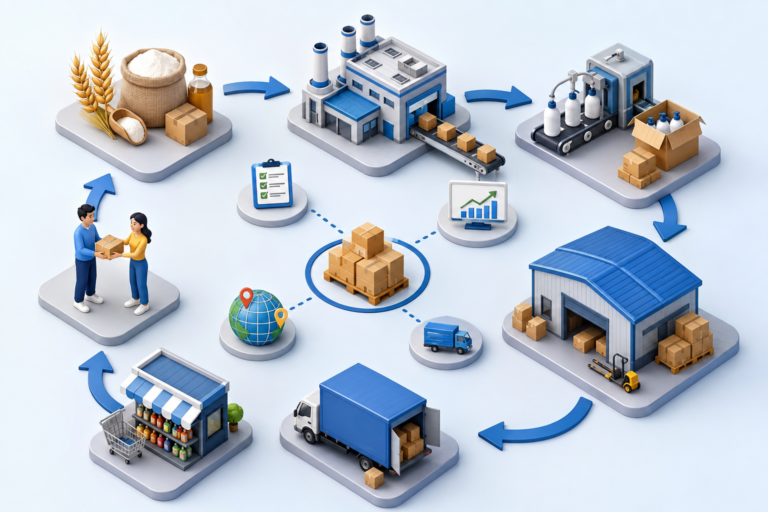
The manufacturing process varies depending on the product, but a typical production flow is shown below.
Raw Material Purchase
        ↓
Material Drying
        ↓
Melting
        ↓
Injection Moulding / Blow Moulding / Extrusion
        ↓
Cooling
        ↓
Trimming & Finishing
        ↓
Quality Inspection
        ↓
Packing
        ↓
Dispatch
Machinery Required
The machinery depends on the product being manufactured.
| Machinery | Purpose |
|---|---|
| Injection Moulding Machine | Household and industrial products |
| Blow Moulding Machine | Bottles and containers |
| Extrusion Machine | Pipes and profiles |
| Plastic Crusher | Recycling scrap |
| Mixer | Raw material blending |
| Hopper Dryer | Moisture removal |
| Cooling System | Product cooling |
| Air Compressor | Machine operation |
| Moulds and Dies | Product shaping |
| Packing Machine | Final packaging |
Optional Equipment
- Generator
- Material handling trolley
- Quality testing instruments
- Weighing machines
- Scrap grinder
Raw Materials Required
Raw material selection depends upon the final product.
Common raw materials include
| Raw Material | Usage |
|---|---|
| Polypropylene PP | Household items |
| High Density Polyethylene HDPE | Containers |
| Low Density Polyethylene LDPE | Packaging |
| PVC | Pipes |
| PET Granules | Bottles |
| ABS | Engineering products |
| Color Masterbatch | Product coloring |
| Additives | Product strength |
| Packaging Material | Final dispatch |
Tip
Purchasing raw materials directly from manufacturers or authorized distributors helps reduce production costs.
Cost to Set Up a Small Plastic Manufacturing Unit
Investment varies according to plant capacity and automation level.
Level 1 Small Scale Unit
Suitable for local market supply.
| Expense | Estimated Cost |
|---|---|
| Machinery | ₹8 Lakh |
| Factory Setup | ₹3 Lakh |
| Electrical Installation | ₹1.5 Lakh |
| Furniture | ₹50,000 |
| Licenses | ₹50,000 |
| Initial Raw Material | ₹4 Lakh |
| Working Capital | ₹7 Lakh |
Total Investment
₹24 to ₹28 Lakh
Level 2 Medium Scale Unit
Suitable for regional distribution.
| Expense | Estimated Cost |
|---|---|
| Machinery | ₹20 Lakh |
| Building Setup | ₹8 Lakh |
| Utilities | ₹4 Lakh |
| Mould Development | ₹5 Lakh |
| Raw Material | ₹10 Lakh |
| Working Capital | ₹15 Lakh |
Total Investment
₹60 to ₹70 Lakh
Level 3 Semi Automatic Commercial Plant
Suitable for larger production.
| Expense | Estimated Cost |
|---|---|
| Machinery | ₹45 Lakh |
| Plant Infrastructure | ₹18 Lakh |
| Electrical & Utilities | ₹8 Lakh |
| Multiple Moulds | ₹10 Lakh |
| Raw Material | ₹20 Lakh |
| Working Capital | ₹25 Lakh |
Total Investment
₹1.20 Crore to ₹1.40 Crore
Monthly Operating Expenses
| Expense Head | Approximate Share |
|---|---|
| Raw Material | 55 percent |
| Labour | 12 percent |
| Electricity | 10 percent |
| Maintenance | 5 percent |
| Packaging | 6 percent |
| Transportation | 5 percent |
| Administrative Expenses | 7 percent |
Cost Distribution
Raw Material           ███████████████████████████ 55%
Labour                 ██████                      12%
Electricity            █████                       10%
Administration         ████                         7%
Packaging              ███                          6%
Maintenance            ██                           5%
Transportation         ██                           5%
Estimated Cost and Profit
Profit depends on production efficiency, rejection rate, product quality, and customer base.
| Particular | Small Unit | Medium Unit | Commercial Unit |
|---|---|---|---|
| Monthly Sales | ₹10 Lakh | ₹30 Lakh | ₹70 Lakh |
| Operating Cost | ₹8 Lakh | ₹24 Lakh | ₹56 Lakh |
| Estimated Net Profit | ₹2 Lakh | ₹6 Lakh | ₹14 Lakh |
Expected Net Profit Margin
15 percent to 25 percent
Well managed manufacturers with premium products and efficient procurement can achieve even better margins.
Licenses Required
Most plastic manufacturing units require
- Udyam Registration
- GST Registration
- Factory License
- Pollution Control Board Approval
- Fire Safety Certificate
- Trade License
- BIS Certification where applicable
Factors That Affect Setup Cost
Several factors influence the total project investment.
- Product type
- Production capacity
- Machine automation
- Number of moulds
- Factory location
- Electricity availability
- Skilled manpower
- Working capital requirement
- Quality testing equipment
Planning these costs in advance helps avoid unexpected financial pressure after production begins.
How a Detailed Project Report Helps
A professionally prepared Detailed Project Report is essential when applying for
- Bank loans
- Mudra Loan
- CGTMSE Loan
- MSME schemes
- Government subsidies
- Private investment
A good DPR generally includes
- Market analysis
- Technical feasibility
- Plant layout
- Machinery details
- Cost estimation
- Financial projections
- Break even analysis
- Profitability projections
- Risk assessment
A professionally prepared report increases lender confidence and improves approval chances.
Frequently Asked Questions
1. What is the minimum investment required to start a plastic manufacturing unit?
A small manufacturing unit can generally be established with an investment of ₹25 lakh to ₹30 lakh, depending on the product category and production capacity.
2. Is plastic manufacturing a profitable business in India?
Yes. With proper planning, quality control, and efficient production, manufacturers can earn profit margins ranging from 15 percent to 25 percent.
3. Which plastic products have the highest demand?
Packaging materials, household products, bottles, containers, pipes, agricultural products, and industrial components continue to experience strong demand.
4. Can I get a bank loan for a plastic manufacturing unit?
Yes. Banks provide loans under MSME financing, Mudra Loan, and CGTMSE schemes. A professionally prepared Detailed Project Report significantly improves loan approval chances.
5. How long does it take to recover the investment?
Most well managed small units can achieve a payback period of approximately 3 to 5 years, depending on production efficiency, capacity utilization, and market demand.
Conclusion
The Cost to Set Up a Small Plastic Manufacturing Unit depends on your production capacity, product selection, machinery, and working capital requirements. While the initial investment may range from ₹25 lakh to over ₹1.2 crore, the industry continues to offer strong growth potential due to rising demand across packaging, agriculture, healthcare, construction, and consumer goods sectors.
Careful planning, accurate cost estimation, and realistic financial projections are essential before investing. Entrepreneurs who conduct a detailed feasibility study, prepare a bank ready DPR, and choose the right production technology are more likely to achieve sustainable profits and secure funding from banks or government schemes.
Need Expert Guidance?
If you are planning to start a plastic manufacturing unit, Chemax Consultancy can help you with
- Detailed Project Report preparation
- Bank Loan DPR
- CMA Data Reports
- Feasibility Study Reports
- Project Cost Estimation
- Plant Layout Planning
- Financial Projections
- Government Subsidy Consultancy
- MSME and Startup Documentation
Get in touch with Chemax Consultancy to turn your manufacturing business idea into a financially viable and investment ready project.