Learn everything about turnkey projects, including benefits, challenges, estimated costs, profitability, and when businesses should choose a turnkey project solution.
Introduction
Starting a manufacturing or industrial business requires careful planning, technical expertise, project management, and timely execution. Many entrepreneurs struggle with coordinating multiple vendors, obtaining approvals, purchasing machinery, and managing construction at the same time. This is where a turnkey project becomes a smart solution.
A turnkey project is a complete business setup where one company handles everything from planning and design to procurement, installation, testing, and final handover. The client receives a fully operational facility that is ready to start production from day one.
For startups and established businesses alike, turnkey projects reduce complexity, improve project timelines, and ensure better quality control. They are widely used in industries such as food processing, pharmaceuticals, chemicals, dairy, packaging, and agriculture.
This guide explains what turnkey projects are, their advantages and disadvantages, estimated investment, profit potential, and how to determine whether this business model is the right choice for your next industrial venture.
Table of Contents
- What is a Turnkey Project
- How a Turnkey Project Works
- Benefits of Choosing a Turnkey Project
- Challenges and Limitations
- Industries That Commonly Use Turnkey Solutions
- Estimated Cost and Profit Analysis
- Why Businesses Should Choose Turnkey Projects
- Frequently Asked Questions
- Conclusion
What is a Turnkey Project
A turnkey project is a project delivery model where a single contractor is responsible for designing, building, installing equipment, testing operations, and handing over a fully functional facility to the client.
Instead of dealing with multiple suppliers and contractors, businesses work with one experienced project consultant who manages every stage of the project.
Typical turnkey services include
- Project planning
- Site selection
- Plant layout design
- Machinery procurement
- Civil construction
- Utility installation
- Testing and commissioning
- Staff training
- Documentation and regulatory support
This approach minimizes operational risks and saves valuable time.
How a Turnkey Project Works
The process generally follows these steps
Step 1
Business consultation and feasibility study
Step 2
Project planning and detailed engineering
Step 3
Procurement of machinery and equipment
Step 4
Construction and installation
Step 5
Testing and quality verification
Step 6
Final handover with operational support
The client receives a complete production facility that is ready to begin manufacturing immediately.
Benefits of Choosing a Turnkey Project
Single Point of Responsibility
One contractor manages the complete project, making communication simple and reducing coordination issues.
Faster Project Completion
Experienced project teams follow predefined timelines, reducing delays and helping businesses start production earlier.
Better Budget Control
A fixed project scope helps control unexpected expenses and minimizes cost overruns.
High Quality Standards
Professional consultants follow industry best practices, ensuring reliable infrastructure and equipment installation.
Reduced Business Risk
The contractor handles technical challenges, vendor management, and project execution, allowing business owners to focus on strategy and operations.
Challenges and Limitations
Although turnkey projects offer many benefits, businesses should also understand their limitations.
Higher Initial Investment
Professional project management and integrated services may require a larger upfront investment.
Limited Design Changes
Once execution begins, major modifications can increase both cost and project duration.
Contractor Selection is Critical
Choosing an inexperienced contractor can lead to delays, quality issues, and operational inefficiencies.
Dependence on One Service Provider
Project success depends heavily on the expertise and experience of the selected turnkey company.
Industries That Commonly Use Turnkey Projects
Turnkey solutions are widely adopted across multiple industries.
| Industry | Common Applications |
|---|---|
| Food Processing | Spice plants, flour mills, snacks |
| Dairy | Milk processing and packaging |
| Pharmaceutical | Manufacturing facilities |
| Chemical | Production plants |
| Packaging | Container and pouch manufacturing |
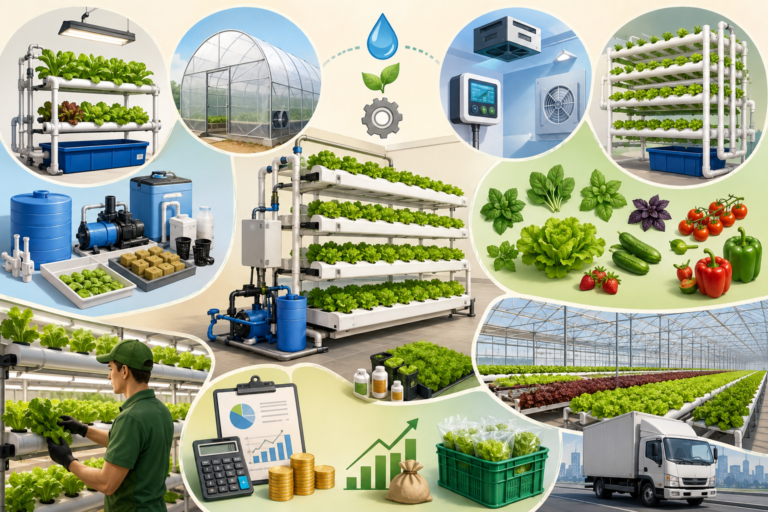
| Agriculture | Hydroponics and fertilizer units |
| Water Treatment | Industrial treatment plants |
Visual Data Element
Turnkey Project Execution Flow
Business Idea
↓
Feasibility Study
↓
Project Design
↓
Machinery Procurement
↓
Construction & Installation
↓
Testing & Commissioning
↓
Production Ready Plant
Estimated Cost and Profit
The investment depends on project size, industry, and automation level.
| Project Size | Estimated Investment | Expected Annual Profit Margin |
| Small Scale | ₹25 Lakhs to ₹1 Crore | 10 percent to 18 percent |
| Medium Scale | ₹1 Crore to ₹10 Crore | 15 percent to 25 percent |
| Large Scale | ₹10 Crore and above | 18 percent to 30 percent |
These figures are indicative and may vary based on location, raw material costs, production capacity, and market demand.
Why You Should Choose a Turnkey Project
A turnkey project is ideal for entrepreneurs who want a professionally managed business setup without handling multiple vendors and contractors.
Key reasons include
- Faster project execution
- Better quality assurance
- Predictable budgets
- Reduced operational risks
- Expert technical guidance
- Compliance with industry standards
- Long term scalability
Businesses entering manufacturing for the first time can especially benefit from turnkey solutions because they receive technical expertise and project management support throughout the process.
Frequently Asked Questions
What is the biggest advantage of a turnkey project
The biggest advantage is that one contractor manages the entire project, making execution faster and more efficient.
Are turnkey projects suitable for startups
Yes. Startups benefit from professional planning, reduced risks, and faster plant commissioning.
Which industries commonly use turnkey projects
Food processing, pharmaceuticals, dairy, packaging, chemicals, and agriculture are among the most common industries.
How long does a turnkey project take
Most projects take between three months and eighteen months depending on project size and complexity.
Is a turnkey project more expensive
The initial investment may be higher, but better planning, reduced delays, and efficient execution often result in lower overall project costs.
Conclusion
Turnkey projects simplify the complex process of establishing an industrial facility by bringing planning, engineering, procurement, construction, and commissioning under one experienced team. This approach saves time, reduces risks, and helps businesses begin operations with confidence.
Whether you are planning a food processing plant, dairy unit, packaging factory, or chemical manufacturing facility, choosing the right turnkey partner can significantly improve project success and long term profitability.
If you are looking for end to end industrial project solutions, feasibility studies, plant design, machinery selection, and project execution support, Chemax Consultancy can help transform your business idea into a fully operational manufacturing unit.