Polymer waste is emerging as an important raw Substance for the recycling industry. As manufacturers look for cost-effective alternatives to virgin Polymer and businesses turn towards sustainability trends, the demand for recycled Polymer materials is witnessing a new wave of industrial opportunities. The manufacturing of RP granules is one such promising business, wherein selected Polymer waste is processed to generate reusable Polymer raw material.
This Enterprise can be rewarding for entrepreneurs in diverse ways, as it can open doors to packaging, molded products, automotive, household products, construction, and several other avenues. However, the entrepreneurs must also evaluate factors such as availability of raw materials, quality of output, substance, processing technology, cost of operations, and market potential before venturing into the business.
What are RP Granules?
RP granules are small and uniform Polymer pellets that are manufactured by processing selected plastic scrap and waste. Rather than letting the valuable plastic material go to waste, it is converted into reusable form for the benefit of the plastic industry.
The characteristics of output material would depend upon the type and quality of incoming plastic waste. There are several polymer grades that have distinct processing and application requirements, and hence the output material will vary in terms of characteristics, applications, and even selling price.
Depending on the type of materials to be processed, a recycling plant can comprise stages such as segregation, cleaning, washing, drying, size reduction, extrusion, and pelletizing prior to supplying the output Substance to manufacturers of Polymer products. Each of these processes is discussed in more detail below.
Manufacturing Process
The recycling Enterprise involves the processing of Synthetic waste, and the collection and segregation of this Substance constitute the first and most important step in the manufacturing process.
1. Collection and Segregation
The recycling industry collects the scrap from industrial scrap dealers, manufacturing units, collection centers, and other sources. The collected material is segregated on the basis of polymer type and quality.
This step is one of the most important because all the subsequent processing steps will depend on the polymer type and hence the manufacturers must ensure that they segregate like polymers to obtain consistent quality.
2. Cleaning and Washing
The selected Synthetic scrap may contain dust, labels, oil stains, food materials, and other foreign matters. The washing process will depend on the nature of the impurities, and hence the recycling units can use washers to wash away any unwanted foreign materials.
The extent of washing will also depend on the incoming material. The extent of contamination and its nature will determine if the washing process is required.
3. Drying
After completing the washing process, the excess moisture must be removed to improve the quality of the end product and facilitate the extrusion process. The recyclers can use industrial dryers or other such equipment for this process.
4. Size Reduction
In this step, the Synthetic scrap is broken down into smaller pieces using a shredder, crusher or granulator. Reducing the size facilitates the extrusion process.
5. Extrusion
The next process in the manufacturing of RP granules is the extrusion process. The extruder heats up the plastic material until it reaches the melting point. The molten Synthetic is then filtered to separate out any solid impurities and passed through a die to give it a specific shape.
The filtration process is essential, as it helps remove any solid foreign matters from the plastic. The molten material is finally cooled to form hard plastic pellets, which are later separated, examined, and packed as finished products.
The finished products can then be supplied to the manufacturers. The quality examination and grading of products will depend on the grade of output plastic material. The examination can cover parameters such as appearance, moisture, colour, contamination and other such aspects.
Application Areas
The recycled materials can find application in a variety of different industries, depending on the polymer type and specifications of the material.
Packaging
One of the major application areas for recycled materials is in packaging. Depending on the quality, the recycled plastic can be used in a variety of different packaging applications, including selected industrial and consumer packaging.
Household Products
Another significant application area for recycled materials is in household products, which can include buckets, containers, storage products and bins, among others. Hence, there is significant potential for processing such materials into household products.
Automotive Components
The automotive industry requires a range of materials, and in some cases, the recycled polymers can be used in select automotive ancillary components. It is important to ensure the consistency of quality as automotive components require stringent specifications.
Construction Products
The construction industry can use a variety of recycled polymer products, including construction products, profiles and other such materials.
Injection and Extrusion Moulding
Synthetic processing units can process the recycled polymer in various ways, depending on their need. The injection and extrusion molding is one of the common application areas.
Ropes, Straps, and Industrial Products
Ropes, straps, sheets, pipes, and other such products can also be manufactured by using certain grades of recycled polymer.
Market and Demand Potential
The recycling industry has witnessed an increase in interest as enterprises look to address the rising plastic consumption and waste management issues and promote a circular economy.
Manufacturers are increasingly turning towards recycled materials, provided they meet the required technical and economic performance criteria. Thus, businesses with a consistent supply of quality materials can explore opportunities to serve this growing demand.
The demand for such materials varies depending on the polymer grade, amongst other factors. While certain grades of plastics can find greater application in packaging, construction, or automotive applications, other grades may have higher potential in other areas.
For an entrepreneur, it is more important to focus on the potential customers in the selected region rather than the overall demand for recycled materials.
Thorough market research is essential to understand parameters such as the availability and price of plastic scrap, major competition, potential buyers and their specifications, selling price of the finished product, transportation cost, grade of material required and other such factors. This will enable the entrepreneur to understand the profit potential of the project.
Business Advantages
The business of recycling Synthetic waste offers several advantages over other forms of business. Some of these are discussed below.
Lower Cost of Feedstock
The recycling of Synthetic waste can be a lucrative business, as it provides an alternative to virgin plastic. However, the economics of the business will depend on various factors, including the price of material and cost of operations.
Growing Demand for Sustainability
With rising global emphasis on sustainability, businesses are willing to pay a premium for such products, which can be a significant advantage.
Diverse Market Potential
The business offers diverse application areas, which can be explored in accordance with the material grade.
B2B Sales Model
The plastic material can be supplied directly to manufacturers and other industrial buyers, and there is significant potential in such a B2B sales model.
Scalability
The entrepreneur can start with a certain production capacity and increase it once they obtain a consistent supply of material and customers.
Profitability Considerations
The profitability of a business is determined by a variety of factors, and the entrepreneurs must consider all such factors before taking the decision to invest in the project.
There is no fixed selling price for such a product, as it will depend on the market demand and the competition. Similarly, the cost of operation will also vary depending on the various factors. The major cost components for a recycling unit will include the purchase of scrap, electricity, labour, maintenance and other expenses. On the other hand, the revenue will be generated through the sale of the finished product.
For example, if the material supplied for processing consists of excessive contamination, the output material will be lower than expected. Similarly, if the segregation is not carried out properly, the quality of the finished product will be affected.
Hence it is critical that the entrepreneurs carry out a detailed feasibility study prior to setting up the plant.
A detailed financial model is essential, which will comprise various factors, such as the cost of land and building, cost of machinery and installation, electricity and other utility costs, working capital, labour cost, maintenance cost and expenses, production capacity, expected sales, operating profit, cash flow, break-even point and other such factors.
Equipment and Infrastructure Requirement
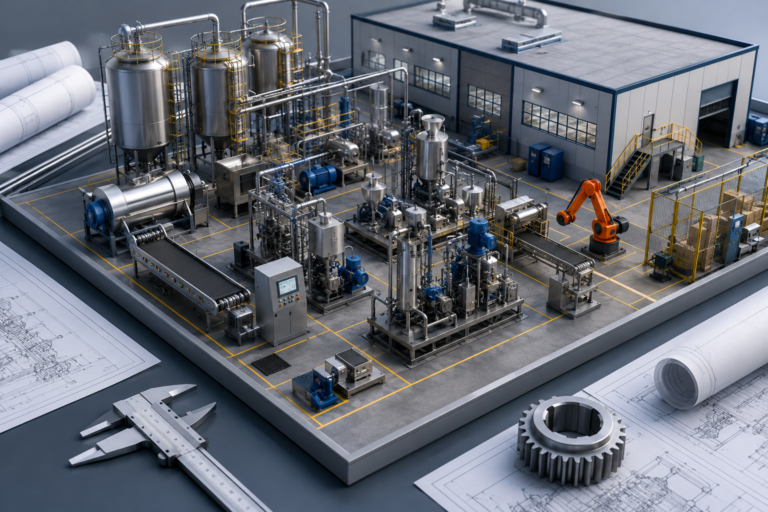
The recycling plant will require several pieces of equipment. The type of equipment will depend on the type of polymer to be processed, quality of material, production capacity and specification of the output material. Some of the major equipment required for a recycling business includes sorting tables, shredders, crushers, washer, dryer, extruder, melt filter and pelletizer.
Apart from equipment, the project will also require adequate infrastructure, such as sufficient storage space for raw materials, intermediate and finished products. The entrepreneurs must also plan for water treatment, electrical infrastructure, ventilation, fire safety and other such aspects.
DPR for Recycling Plastic Business
The recycling business requires detailed planning, and the entrepreneurs must understand the overall potential of the business, including the market potential, before proceeding ahead with the project.
A Detailed Project Report (DPR) will comprise all the key aspects related to the project. It will provide a detailed financial analysis, which will help the entrepreneurs understand the profitability potential of the project and the amount of investment required.
With a bankable DPR, the entrepreneurs can also seek funding from financial institutions to support the project.
Long-Term Opportunity
The long-term opportunity for a business engaged in recycling of plastic waste will depend on the ability of the business to ensure consistent supply of raw material and meet the quality expectations of buyers.
Such a business can offer lucrative opportunities for entrepreneurs, as it can provide sufficient returns on invested capital. However, the entrepreneurs must also understand that it is not simply a business of converting scrap to products, and they must focus on the overall quality and cost of operations to ensure that they are able to meet the market expectations.
Frequently Asked Questions
1. What are RP granules?
RP granules are small and uniform plastic pellets that are produced by processing suitable plastic scraps and waste.
2. Is manufacturing recycled plastic pellets a profitable business?
It can be a profitable business; however, the entrepreneurs must consider the scrap price, recovery rate, electricity, labour cost, material processing and product selling price to evaluate the overall profitability.
3. What raw materials are required?
The raw materials generally consist of suitable plastic scrap, which can be sourced from industrial waste, manufacturing units, collection centres and other sources.
4. Who are the potential customers?
Potential customers generally consist of plastic moulding companies, packaging manufacturers, extrusion units, household product manufacturers, automotive component suppliers and other similar businesses.
5. What machinery is required?
Depending on the business, the machinery can range from sorting equipment, shredders, crushers, washing machines, dryers, extruders, melt filters and pelletizers.
6. How much investment is required?
The investment will depend on the production capacity, land and building, machinery, automation, utilities and working capital and other factors. It is recommended that the entrepreneurs obtain DPR to estimate the investment.
7. Can a small entrepreneur start this business?
A small entrepreneur can start the Enterprise, depending on the available investment and the target production capacity. However, the entrepreneur must ensure that there is a consistent supply of raw material and a reliable customer base before finalizing the plant size.
8. Why is market research important for this business?
Market research is required to determine the suitable plastic material and explore the potential buyers and suppliers in the region. It is essential for the entrepreneurs to obtain a clear understanding of the demand in the region and the competitiveness of the market.