Hydroponics and polyhouse farming are transforming modern agriculture in India. Rising demand for pesticide-free vegetables, exotic fruits, herbs, and leafy greens has encouraged many entrepreneurs and farmers to invest in controlled environment farming. Compared to traditional farming, hydroponics and polyhouse cultivation offer higher productivity, better water efficiency, year-round production, and improved crop quality.
However, setting up a successful hydroponics or polyhouse farm requires careful financial planning. Banks and financial institutions also require a detailed Detailed Project Report (DPR) before approving agricultural loans or government subsidies. A professionally prepared DPR demonstrates the technical feasibility, financial viability, production capacity, investment requirements, expected profits, and repayment capability of the project.
Whether you are applying for a bank loan, NABARD assistance, or government subsidy, a well-structured DPR significantly improves your approval chances. This guide explains everything entrepreneurs should know before preparing a DPR for a Hydroponics Polyhouse Farming Project.
Market Data and Business Opportunity
India’s protected cultivation sector is witnessing rapid growth because consumers increasingly prefer fresh, pesticide-free vegetables and premium produce. Hotels, supermarkets, restaurants, and online grocery platforms are creating strong demand for hydroponically grown vegetables.
Popular Crops
| Crop | Average Market Demand |
|---|---|
| Lettuce | Very High |
| Spinach | High |
| Kale | Growing |
| Cherry Tomato | Very High |
| Capsicum | High |
| Cucumber | High |
| Herbs | Premium Market |
| Strawberry | Premium Market |
Industry Growth Snapshot
| Factor | Status |
|---|---|
| Water Saving | Up to 90 percent |
| Production | Higher than traditional farming |
| Weather Risk | Very Low |
| Market Demand | Increasing every year |
| Premium Pricing | Available for quality produce |
Growing awareness of healthy eating and sustainable farming is expected to increase demand for hydroponic produce across India over the coming years.
Why You Should Prepare a DPR for Hydroponics Polyhouse Farming Project
A Detailed Project Report is much more than a document submitted to a bank. It acts as the business blueprint for your entire farming venture.
A professionally prepared DPR helps you
- Estimate total project investment
- Calculate working capital requirement
- Select suitable machinery
- Identify production capacity
- Forecast future revenue
- Estimate operational expenses
- Plan loan repayment
- Improve chances of loan approval
- Apply for government subsidy
- Reduce business risks
Banks trust projects that present realistic financial projections supported by technical information.
Machinery Required
The machinery and equipment depend on whether you choose hydroponics farming or polyhouse cultivation.
| Machinery | Purpose |
|---|---|
| Polyhouse Structure | Controlled growing environment |
| Hydroponic NFT System | Soilless cultivation |
| Water Storage Tank | Water supply |
| Water Pump | Irrigation |
| Nutrient Mixing Tank | Fertigation |
| RO Water Plant | Water purification |
| Climate Control System | Temperature management |
| Fogging System | Humidity control |
| Drip Irrigation System | Efficient watering |
| Seedling Trays | Nursery preparation |
| Grow Lights | Indoor cultivation |
| EC Meter | Nutrient monitoring |
| pH Meter | Water quality monitoring |
| Packaging Machine | Product packing |
Modern automation improves productivity while reducing labour costs.
Raw Materials Required
The quality of raw materials directly affects crop yield.
Essential Inputs
| Raw Material | Usage |
|---|---|
| Cocopeat | Growing medium |
| Rockwool Cubes | Seed germination |
| Nutrient Solution | Plant nutrition |
| Vegetable Seeds | Crop production |
| Water | Irrigation |
| Plastic Net Pots | Plant holding |
| PVC Pipes | Hydroponic channels |
| Insect Nets | Pest protection |
| Packaging Material | Product delivery |
| Cleaning Chemicals | System maintenance |
Buying certified seeds and high-quality nutrients helps achieve better crop quality and higher profits.
Investment Budget
The investment depends on farm size, automation level, and crop selection.
| Investment Level | Estimated Budget |
|---|---|
| Small Scale | ₹12 lakh to ₹25 lakh |
| Medium Scale | ₹25 lakh to ₹60 lakh |
| Large Commercial Unit | ₹60 lakh to ₹2 crore or more |
Typical Cost Distribution
| Expense | Share of Budget |
|---|---|
| Polyhouse Construction | 35 percent |
| Hydroponic System | 20 percent |
| Irrigation System | 10 percent |
| Machinery | 12 percent |
| Raw Materials | 8 percent |
| Installation | 5 percent |
| Working Capital | 10 percent |
The final investment depends on land availability, technology selection, and production capacity.
Estimated Cost and Profit
Profitability depends on crop type, production cycle, market access, and operational efficiency.
| Particular | Small Unit |
|---|---|
| Annual Revenue | ₹18 lakh to ₹28 lakh |
| Annual Operating Cost | ₹10 lakh to ₹16 lakh |
| Estimated Annual Profit | ₹6 lakh to ₹10 lakh |
Medium Scale Unit
| Particular | Value |
|---|---|
| Revenue | ₹40 lakh to ₹70 lakh |
| Operating Cost | ₹22 lakh to ₹40 lakh |
| Estimated Profit | ₹15 lakh to ₹28 lakh |
Large Commercial Unit
| Particular | Value |
|---|---|
| Revenue | ₹1 crore to ₹3 crore |
| Operating Cost | ₹60 lakh to ₹1.8 crore |
| Estimated Profit | ₹30 lakh to ₹1 crore |
Actual profitability depends on crop selection, production planning, market prices, and management practices.
What Should a Hydroponics Polyhouse Farming DPR Include
A bank-ready DPR generally contains the following sections.
Executive Summary
Provides a complete overview of the project.
Business Profile
Details of the entrepreneur, business model, and project objectives.
Market Analysis
Demand analysis, competitor assessment, and target customers.
Technical Details
Information about cultivation method, machinery, production capacity, and technology.
Financial Analysis
Investment, projected income, expenses, profit and loss statement, cash flow, and break-even analysis.
Loan Requirement
Amount of loan requested, repayment schedule, and promoter contribution.
Risk Assessment
Potential risks and strategies to manage them.
A professionally structured DPR builds confidence among lenders and investors.
Benefits of a Professional DPR
Preparing a DPR through experienced consultants provides several advantages.
- Better loan approval chances
- Faster subsidy processing
- Accurate financial projections
- Reduced planning mistakes
- Improved investor confidence
- Better business planning
- Easier project implementation
- Long-term financial sustainability
For entrepreneurs seeking funding, a professionally prepared DPR often becomes one of the strongest documents in the loan application.
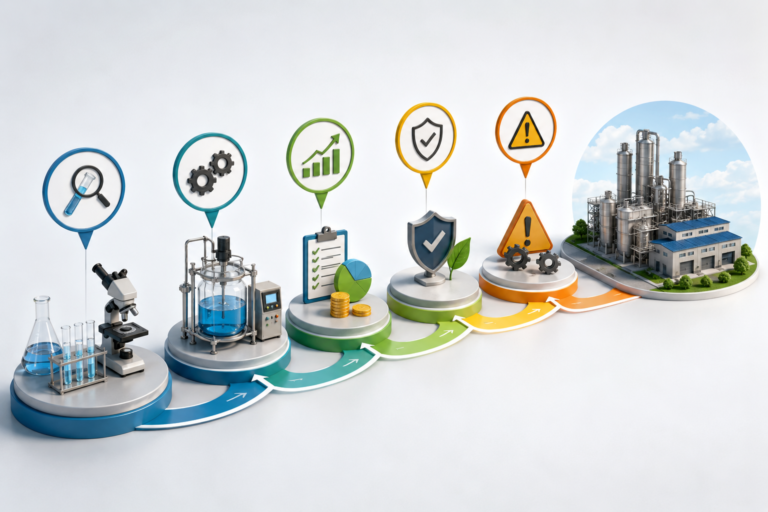
Visual Snapshot
| Project Stage | Key Activity |
|---|---|
| Step 1 | Market Research |
| Step 2 | Land Selection |
| Step 3 | DPR Preparation |
| Step 4 | Bank Loan Application |
| Step 5 | Subsidy Application |
| Step 6 | Machinery Installation |
| Step 7 | Trial Production |
| Step 8 | Commercial Farming |
Frequently Asked Questions
1. Why is a DPR important for a hydroponics or polyhouse farming project?
A DPR provides technical, financial, and commercial details of the project. Banks use it to evaluate the feasibility of the business before approving loans or subsidies.
2. Can I get a bank loan without a DPR?
Many banks and financial institutions require a professionally prepared DPR, especially for medium and large agricultural projects. Submitting a detailed report improves your chances of approval.
3. What is the average investment required?
A small hydroponics or polyhouse unit may require ₹12 lakh to ₹25 lakh, while larger commercial projects can exceed ₹2 crore depending on technology and capacity.
4. Is hydroponics more profitable than traditional farming?
Hydroponics can generate higher returns through better yields, reduced water usage, and premium pricing. Profitability depends on crop selection, market demand, and efficient operations.
5. Who can prepare a professional DPR?
Experienced project consultants with expertise in agriculture, finance, and banking can prepare a detailed DPR that meets lender requirements and supports subsidy applications.
Conclusion
Hydroponics and polyhouse farming represent one of the most promising opportunities in India’s modern agriculture sector. With consumers seeking high-quality produce throughout the year, controlled environment farming enables higher yields, better resource efficiency, and sustainable profitability. However, success begins with proper planning, and a professionally prepared Detailed Project Report plays a critical role in securing finance and guiding the project from concept to execution.
If you are planning to establish a Hydroponics or Polyhouse Farming Project, Chemax Consultancy can help you prepare a comprehensive, bank-ready DPR with realistic financial projections, technical analysis, and documentation tailored to the requirements of banks, NBFCs, NABARD-supported schemes, and government subsidy programs. A professionally prepared DPR not only improves funding opportunities but also lays a strong foundation for long-term business success.