India’s agro-processing sector offers opportunities for rural entrepreneurs, farmer groups, artisans, producer organizations, and small businesses. Many small processing units have problems like old machines, bad quality, not enough storage, poor packaging, no brand, and depending on middlemen.
A cluster-based approach can help fix these issues by bringing farmers, processors, service providers and others around shared infrastructure and market chances.
The Scheme of Fund for Regeneration of Traditional Industries (SFURTI), run by the Ministry of Micro, Small & Medium Enterprises (MSME) helps improve and grow industry clusters, including village industries and agro-based activities. Official SFURTI rules say that common facilities, technology, training, product improvement, market links, and better cluster management are important.
So a good DPR for an Agro-Processing Cluster under the SFURTI Scheme is important to show the financial, operational and market viability of the plan.
What Is an Agro-Processing Cluster?
An agro-Production Network is a group of farmers, artisans, small businesses, producer groups, and others working on Production-related product.
Depending on where they’re from and what materials are available, a cluster could focus on:
- Fruits and vegetables
- Pulses and grains
- Spices
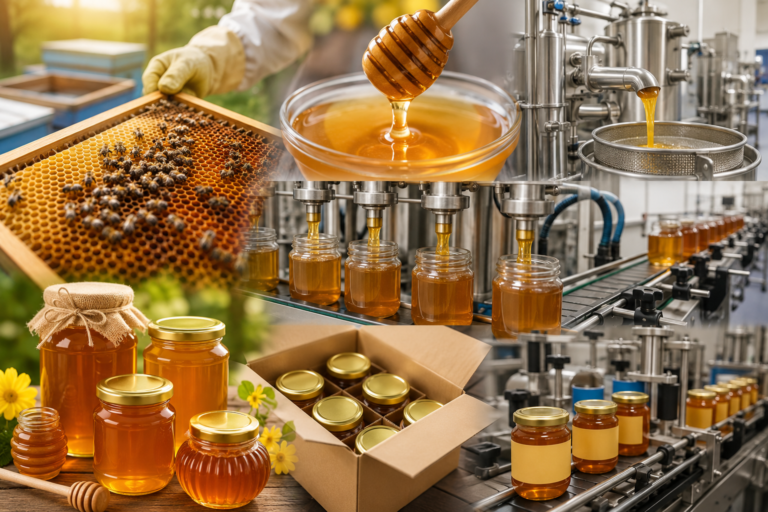
- Honey and bee products
- Millets
- Oilseeds
- Coconut products
- Pickles and traditional foods
- Herbal and forest-based products
- Other agro-based village industries
The goal is not just to build a Production plant. The bigger goal is to create a system including getting raw materials, processing, packaging, checking quality, storing, branding, and selling.
An official SFURTI proposal for an agro and fruit processing cluster in Andhra Pradesh, for example, looked at producing mango, tamarind, jackfruit, and other local products while also pointing out problems with technology adding value, marketing, workers and sorting, grading, and packaging.
Why a DPR Is Important for SFURTI Projects
A Detailed Project Report turns a cluster idea into a plan for action.
For an agro-production plan, the report needs to show:
- If there is a cluster and people involved.
- If there are agricultural materials.
- If there are existing Production and production abilities.
- What big gaps are in infrastructure and technology?
- What common facilities are planned?
- What market potential there is for products.
- the project will cost.
- It will Be maintained.
- it will make money and last.
- Who will handle the project and the cluster.
SFURTI rules also want projects to be market-driven, product design, more packaging, e-commerce chances, better quality and better value chains.
Key Sections of a DPR for Agro-Production Cluster
1. Executive Summary
This part gives an overview of the planned cluster.
It covers:
- Name and place
- Main products
- Number of people involved
- activities
- What changes are planned
- Common facilities
- Estimated cost
- Expected jobs
- Market chances
- It will be done
This part should help people understand the project quickly.
2. Cluster Profile
The report needs to show why this area is a place.
Important info includes:
- farmers and artisans
- small businesses
- crops and products
- What processing is done
- Local skills
- Current ways to sell
- Existing buildings
- Big problems
The report should show the difference between now and what is planned.
3. Raw Material Assessment
Having raw material is one of the most important parts of an agro-processing project.
The DPR needs to look at:
- When materials are available
- the amount that is made each year
- Where they come from
- the way prices change
- What quality is needed
- the way to move them
- Losses from storing
- How to get them
A good study should also explain how the cluster can keep materials during times when they are not available.
4. Proposed Processing Facilities
The facility center should be made to fit what the people need.
Depending on the product the center might have:
- Washing and cleaning
- Sorting and grading
- Processing
- Drying
- Crushing
- Extracting
- Dehydrating
- Cold storage
- Warehousing
- Packaging
- Testing quality
- Making new products
Machines should be chosen based on how much they can do what they are used for often they are used what is available how to fix them. If they can grow.
5. Value-Added Product Development
There is a chance to move beyond selling raw materials.
For example a fruit cluster could make:
- Juice
- Dried fruit
- Pickles
- Jams
- Squashes
- Fruit snacks
Grain and millet clusters could make flour, to-cook meals, snacks and other packaged food.
The DPR should pick products that people really want not just make a list.
6.. Utility Plan
The technical part should explain the planned buildings and systems.
It can have:
- Land is needed
- big the buildings are
- Where processing happens
- Where to store
- Where offices are
- Water is needed
- electricity
- to handle waste
- to keep safe
- Roads inside the area for moving things
The design should help move materials, workers and finished products easily.
7. Market and Marketing Strategy
Market chances are important for long-term success.
The DPR needs to look at:
- buyers
- Regional markets
- Big companies
- Stores
- Markets
- Online sales
- Export options
- What others sell
- How much to charge
- How to wrap products
- How to brand them
SFURTI rules say that projects should be driven by the market, better branding, better packaging and use online sales as a main way to sell.
8. Skill Development and Capacity Building
Technology alone is not enough.
People might need training in:
- Food processing
- Using machines
- Checking quality
- Hygiene
- Packaging
- Making new products
- Being a business person
- Using the internet
- Keeping records
- Selling products
Visits and training can help people learn ways to work.
9. Financial Analysis
The money part should show a plan for the project.
Common parts include:
| Component | Purpose |
|---|---|
| Land. Preparing the site | Getting the place ready |
| Building work | What is built |
| Machines | What is used for processing |
| Power and water | What is needed |
| Storage | Where to keep things |
| Packaging | How to wrap |
| Quality | Testing things |
| Training | Helping people learn |
| Branding and selling | What is done to make it known |
| Working money | What is needed to start |
The report should also have costs to run what money is expected, how money flows, when the project starts to make money and how it will last.
It is important to check the costs and how money is given according to current SFURTI rules and not use old examples.
10. Implementation Structure
A project needs roles for everyone involved.
The DPR should explain who is responsible for what like:
- Who’s in charge
- Who gives technical help
- Who runs the project
- Who is part of the group
- Local groups
- Government
- Business partners
- People who help sell
Different clusters have been done in different ways showing the need for a clear structure.
11. Sustainability Plan
The big question is what happens after the project is built.
The DPR should say how the cluster will make money to keep:
- Machines working
- Buildings in good shape
- Power and water
- People working
- Quality checks
- Selling things
- Fixing and replacing things
Charges, selling products, services and other ways to make money can be looked at based on the project.
Common Mistakes in Preparing an SFURTI DPR
People should avoid:
- Using high estimates for what can be made
- Saying the market will be bigger than it is
- Choosing machines that are not needed
- Not thinking about when materials are available
- Using money plans that are not real
- Not picking who is involved
- Not thinking about quality and safety
- Having weak plans to sell
- Not explaining how the group will work
- Copying old reports without changing what is needed
The Ministrys SFURTI website shows that agro and food projects are being done, such as the Badanki Mahua Processing Cluster and others.
How to Prepare a Strong Project Report
A way to make the report is to follow these steps:
Find a group → Do a visit → Check who is involved → Study what materials are there → Look at the market → Choose the right machines → Plan the common facilities → Estimate costs → Do money plans → Plan how to do the project → Plan how to keep it going → Final report
The quality of the first visit affects the quality of the final report. A good document should be based on local production what people need prices for machines, market info and realistic money plans.
An agro-processing cluster can add value to local agricultural products while making processing better products better jobs more and selling easier.
Just having buildings and machines does not mean success. The project needs a mix of technical plans people involved market chances right machines, money plans and how to run the group.
A good DPR for an Agro-Processing Cluster under the SFURTI Scheme can bring all these parts together. Give a clear path from starting the cluster to running it and keeping it going.
For people starting these projects the DPR should be seen as a way to make decisions, not a form to fill.
Frequently Asked Questions
1. What is SFURTI?
SFURTI is the Scheme of Fund for Regeneration of Traditional Industries. It is a project from the Ministry of MSME to help industry groups by making things like common facilities, better machines, training and selling help.
2. Can agro-processing be done under SFURTI?
Yes. Agro-based things and village industries fit, into the group of traditional industries that SFURTI helps as long as they meet the rules and guidelines.
3. What should an agro-processing DPR have?
It should usually cover the group, who is involved, materials, market research, machines, buildings, cost, money plans, how to run it training and how to keep it going.
4. Is a market study necessary?
Yes. Market research helps to understand how demand there is for a product what the right price should be, who the competitors are, who the customers are and where the products will be sold.
5. Can multiple products be included?
Possibly yes. A group of products that are connected can be put together when the materials needed the technology used the people who benefit and the chances to sell the products make it worth doing in a way.
6. Why is choosing the machinery important?
Using the machinery can make the project more expensive make it harder to use the full capacity and cause problems with keeping the machines working. So the machines should be chosen based on what materialsre available what the product needs to be, like and how much needs to be made.