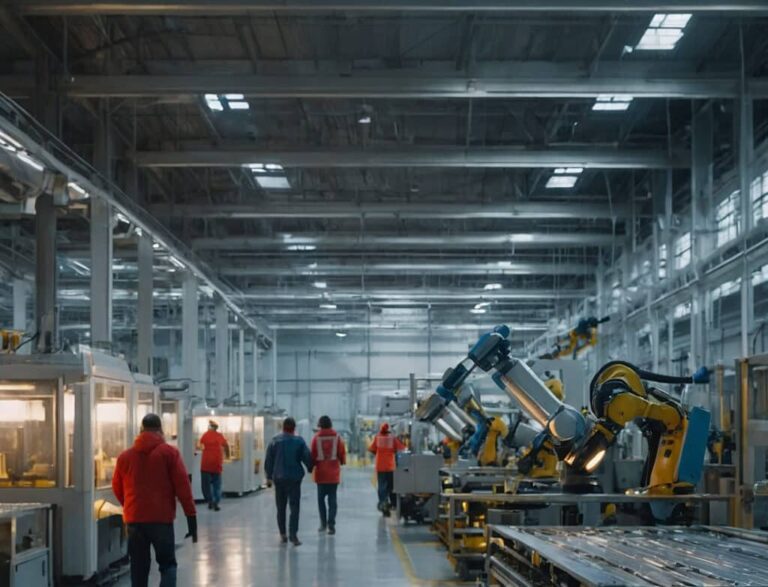
Starting a manufacturing business is exciting, but many entrepreneurs focus only on machinery and investment while ignoring one of the most important success factors, process engineering. A well-designed manufacturing process reduces production costs, improves product quality, minimizes waste, and increases profitability.
Whether you are planning to manufacture chemicals, food products, cosmetics, pharmaceuticals, construction materials, or consumer goods, understanding process engineering fundamentals will help you avoid costly mistakes.
This guide explains the basics of process engineering in simple language. It also covers market insights, machinery, raw materials, investment levels, estimated profits, and why working with an experienced process engineering consultant such as Chemax Consultancy can save both time and money.
What is Process Engineering?
Process engineering is the science of designing, improving, and optimizing manufacturing processes to produce products efficiently, safely, and economically.
It combines
- Chemical Engineering
- Mechanical Engineering
- Industrial Engineering
- Automation
- Quality Management
- Production Planning
The objective is simple.
Produce better products at the lowest possible cost while maintaining quality and safety standards.
Why Process Engineering Matters for Manufacturers
Many manufacturing businesses fail not because their products are bad but because their production process is inefficient.
A properly engineered manufacturing process helps businesses
✅ Reduce production cost
✅ Increase productivity
✅ Improve product quality
✅ Reduce raw material wastage
✅ Lower energy consumption
✅ Meet regulatory requirements
✅ Scale production smoothly
Process Engineering Workflow
Market Research
        │
        ▼
Product Selection
        │
        ▼
Raw Material Planning
        │
        ▼
Process Design
        │
        ▼
Machinery Selection
        │
        ▼
Plant Layout
        │
        ▼
Trial Production
        │
        ▼
Quality Testing
        │
        ▼
Commercial Production
Current Manufacturing Market in India
India has become one of the fastest-growing manufacturing destinations due to government initiatives, infrastructure development, and increasing domestic demand.
Manufacturing Industry Snapshot
| Industry Indicator | Latest Trend |
|---|---|
| Manufacturing Contribution to GDP | Around 17% |
| Target Contribution | 25% |
| MSMEs in India | More than 6 Crore |
| Employment Generated | Over 11 Crore Jobs |
| Government Focus | Make in India, PLI Schemes, MSME Support |
| Major Growth Sectors | Chemicals, Food Processing, Pharmaceuticals, Cosmetics, Packaging |
This growth creates huge opportunities for first-time manufacturers who build efficient production systems from the beginning.
Key Components of Process Engineering
1. Product Development
Everything begins with a product.
The engineering process starts by understanding
- Product specifications
- Customer requirements
- Industry standards
- Production volume
Without a clear product definition, no manufacturing process can be optimized.
2. Raw Material Selection
Raw materials directly affect quality and production costs.
Selection should consider
- Quality
- Supplier availability
- Cost
- Shelf life
- Storage conditions
- Government regulations
Common Raw Materials Required
Depending on the manufacturing sector, raw materials may include
| Industry | Raw Materials |
| Chemical | Solvents, Acids, Alkalis, Additives |
| Cosmetics | Oils, Emulsifiers, Fragrances, Preservatives |
| Food | Ingredients, Flavors, Packaging Materials |
| Pharmaceutical | APIs, Excipients |
| Paint | Pigments, Resins, Solvents |
| Detergent | LABSA, Soda Ash, Caustic Soda, Perfumes |
3. Process Flow Design
The production process should follow a logical sequence.
Example
Raw Material Receiving

↓

Inspection

↓

Storage

↓

Mixing

↓

Processing

↓

Quality Check

↓

Packaging

↓

Finished Goods Storage

↓

Dispatch
Every unnecessary step increases production cost.
4. Machinery Selection
Choosing the right machinery is critical.
Do not buy machines only because they are cheaper.
Consider
- Production capacity
- Energy efficiency
- Automation level
- Maintenance cost
- Spare part availability
- Future expansion
Machinery Required
The actual machinery depends on the industry, but a typical manufacturing setup includes
- Mixing Machine
- Reactor
- Storage Tanks
- Conveyors
- Pumps
- Compressors
- Heat Exchangers
- Filling Machine
- Packaging Machine
- Labeling Machine
- Quality Testing Equipment
- Utility Systems
- Boiler
- Water Treatment Plant
- Air Compressor
Plant Layout Planning
A good plant layout minimizes movement and improves productivity.
Ideal production flow
Raw Material Warehouse

↓

Production

↓

Quality Control

↓

Packaging

↓

Finished Goods Warehouse

↓

Dispatch
Benefits
- Lower labor cost
- Better workflow
- Improved safety
- Faster production
- Easier supervision
Utility Planning
Utilities are often ignored during planning.
Essential utilities include
- Electricity
- Water Supply
- Steam
- Compressed Air
- Cooling System
- Drainage
- Fire Safety System
Poor utility planning can stop production even if machinery is working perfectly.
Quality Control
Quality should be checked throughout production instead of only after manufacturing.
Quality parameters include
- Appearance
- Weight
- Viscosity
- Moisture
- Purity
- Packaging Quality
Consistent quality builds customer trust and reduces product returns.
Safety and Compliance
Every manufacturing unit should follow
- Factory safety norms
- Pollution control requirements
- Fire safety regulations
- Employee safety practices
- Environmental guidelines
Ignoring compliance can lead to penalties and production shutdowns.
Setup Budget
The investment depends on production capacity and industry.
| Setup Level | Estimated Investment | Suitable For |
| Small Scale | ₹10–25 Lakhs | Startups |
| Medium Scale | ₹25–75 Lakhs | Growing Businesses |
| Large Scale | ₹75 Lakhs–₹5 Crore+ | Commercial Manufacturing |
Investment generally includes
- Land or Rental Deposit
- Plant Construction
- Machinery
- Utilities
- Laboratory Equipment
- Installation
- Working Capital
- Licenses
- Consultancy Charges
Estimated Manufacturing Cost and Profit
Example for a Small Manufacturing Unit
| Particular | Amount |
| Monthly Sales | ₹20 Lakhs |
| Raw Material Cost | ₹9 Lakhs |
| Salaries | ₹2 Lakhs |
| Utilities | ₹1 Lakh |
| Packaging | ₹1 Lakh |
| Other Expenses | ₹2 Lakhs |
| Estimated Monthly Profit | ₹5 Lakhs |
Actual profitability depends on product type, production efficiency, and market demand.
Why You Should Set Up Your Manufacturing Unit with Professional Process Engineering
Many entrepreneurs invest heavily in machinery but still struggle because the production process was never properly designed.
Professional process engineering helps you
- Avoid expensive design mistakes
- Select suitable machinery
- Reduce operational costs
- Increase production efficiency
- Improve product quality
- Achieve faster project completion
- Plan for future expansion
- Meet regulatory requirements
- Optimize manpower utilization
With the right engineering support, your manufacturing business starts on a stronger foundation.
Common Mistakes New Manufacturers Make
- Purchasing machinery before process planning
- Poor plant layout
- Underestimating utility requirements
- Buying low-quality raw materials
- Ignoring quality control
- No future expansion planning
- Weak documentation
- Not preparing a Detailed Project Report
- Skipping trial production
Avoiding these mistakes can save lakhs of rupees in the long run.
Frequently Asked Questions
1. What is process engineering in manufacturing?
Process engineering involves designing and optimizing manufacturing processes to improve efficiency, quality, safety, and profitability.
2. Why is process engineering important for startups?
It helps reduce production costs, minimizes waste, improves product consistency, and prevents expensive operational mistakes.
3. How much investment is required to start a manufacturing unit?
A small manufacturing unit may require around ₹10 to ₹25 lakhs, while medium and large units can require ₹25 lakhs to several crores depending on the product and production capacity.
4. What industries require process engineering?
Almost every manufacturing industry benefits from process engineering, including chemicals, food processing, cosmetics, pharmaceuticals, paints, detergents, plastics, and packaging.
5. Can process engineering improve profits?
Yes. Efficient process design reduces waste, lowers energy consumption, improves productivity, and increases overall profitability.
Conclusion
Process engineering is the backbone of every successful manufacturing business. It is not just about selecting machines or building a factory. It is about creating a well-planned production system that delivers consistent quality, minimizes costs, and supports long-term growth.
New manufacturers who invest time in proper process planning are more likely to build profitable and scalable businesses. From raw material selection and machinery planning to plant layout, quality control, and compliance, every stage plays a vital role in operational success.
If you are planning to establish a manufacturing unit, partnering with an experienced consultancy can simplify the entire process and help you avoid costly mistakes.
Contact Chemax Consultancy today and take the first step toward building an efficient, profitable, and future-ready manufacturing business.