The number of electric vehicles, Potential storage systems, smartphones, laptops, and other electronic devices is growing fast. This growth means more Li₂CO₃-ion power cells are being used. As these batteries reach the end of their life, reprocessing becomes a part of creating a sustainable supply chain for batteries.
When batteries are recycled, we can recover Substances like Li₂CO₃, nickel, cobalt, manganese, copper, aluminum, and graphite. Of letting these materials go to waste, special Reprocessing methods can extract and refine them for use in new Power cells and many other industrial uses.
This area also offers opportunities for entrepreneurs and investors. There is potential to build facilities that collect used power cells, take them apart recover substances, and refine them for reuse.
Why Lithium-Ion Battery Recycling Is Important
Lithium-ion Power cells contain valuable Substances. Getting those materials from mines takes a lot of energy, water, land and money. Recovering them from batteries helps reduce the need for new mining.
Reprocessing batteries brings benefits:
- It recovers valuable metals and other useful Substances
- It reduces the amount of Potential storage device waste going into landfills
- It supports a circular economy where materials stay in use
- It improves resource security for Energy storage device makers
- It lessens dependence on virgin raw Substances
The financial success of a recycling plant depends on things like Energy storage device chemistry, how much material is available how well the recovery works, the kind of technology used energy costs and prices for the recovered Substances.
What Materials Can Be Recovered?
Each Energy device has its chemical makeup based on how it was made. Most recycling plants can recover several key substances
Lithium
This is one of the ingredients in rechargeable batteries. It can be taken out of spent Power cells. Turned into usable compounds for industry or for making new batteries. The level of purity determines what it can be used for.
Nickel
Nickel appears in types of lithium-ion. Power cells, especially in cathodes that have high nickel content. Recovering this metal allows it to return to the supply chain of being thrown away.
Cobalt
Cobalt has been an ingredient in many Energy storage device designs. Because it is expensive and valuable getting it back from batteries can make a big difference in the economics of Reprocessing operations.
Manganese
Manganese is another material used in some cathode designs. It can often be recovered along with nickel, cobalt and other elements depending on the Energy storage device type and how it is processed.
Copper and Aluminum
Copper is found in parts like collectors and wires. Aluminum is used in casings and electrical connections. These metals can usually be separated during processing.
Graphite
Graphite is commonly used as an anode material. Advanced recycling technologies may be able to recover graphite and prepare it for uses. However, the economic value and quality standards vary widely.
How Does the Recycling Process Work?
A commercial recycling facility doesn’t use one method. It usually combines steps. The exact process changes based on the type of Power cells being processed and the Substances the plant wants to recover.
- Collection and Sorting
Used Power cells are collected from sources such as cars, phones, laptops, home energy storage units and industrial equipment.
They are then sorted by chemistry, size, condition, and other factors. Correct sorting matters because different Energy storage device types need treatment methods.
- Discharging and Safe Handling
Used lithium-ion Power cells can still hold electricity after removal from devices. That’s why controlled discharge, safe handling, proper storage, and careful transport are essential.
Safety is especially crucial because damaged batteries can cause fires or thermal runaway events.
- Dismantling and Mechanical Processing
Battery packs are taken apart into modules and individual cells. Mechanical processes then separate metals like steel, aluminum, copper, plastics, and other components.
After processing, a concentrated mix called mass is formed. This material holds electrode Substances.
- Metal Recovery
Black mass undergoes treatment to separate the valuable elements.
Two main approaches are commonly used in industry:
Pyrometallurgical processing heats the Substances to high temperatures to recover certain metals. It works well with inputs but demands a lot of energy and can lose some materials in slag.
Hydrometallurgical processing uses solutions to dissolve and selectively recover metals. Separation and purification steps can yield compounds containing lithium, nickel, cobalt, manganese, and other metals.
Some modern plants combine thermal and chemical techniques to improve total material recovery.
- Refining and Product Recovery
Once separated, recovered Substances may go through purification and conversion to become market- products.
Depending on the process, outputs include metal salts, oxides, concentrates, or other intermediate forms. The required quality depends on what the final product will be used for.
Market Potential of Energy storage device Recycling
The rise of vehicles and stationary energy storage systems is driving interest in recovering battery materials. At the time manufacturers want more reliable and diverse sources of raw materials.
A Reprocessing business can earn income from materials, processing fees, collection partnerships and supply contracts. . Profitability depends heavily on feedstock costs and material prices.
For anyone starting a project key questions include:
- How much used battery material is available?
- What kinds of Power cells are common in your area?
- What are the costs for collecting and moving batteries?
- Which recovery technology should be chosen?
- What will the plant capacity be?
- What are the capital investment and operating expenses?
A thorough feasibility. A bankable project report (DPR) help determine if a proposed plant is technically sound and financially reasonable.
Setting Up a Lithium-Ion Battery Reprocessing Plant
Starting a Reprocessing facility involves more than buying machines. It requires a plan covering where the Power cells will come from how the plant will work, safety measures, utility needs, environmental controls, material extraction, and selling the finished products.
A typical development path might include:
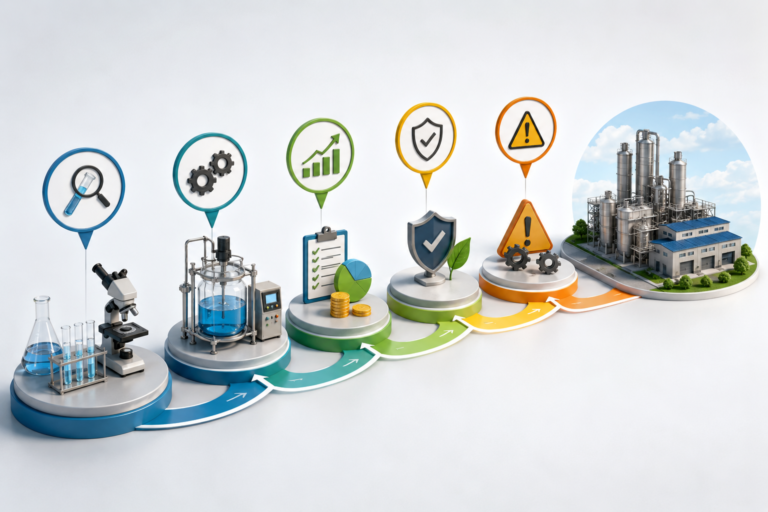
Market Feasibility → Feedstock Assessment → Technology Selection → Plant & Machinery Planning → CAPEX/OPEX Estimation → Financial Projections → Regulatory Planning → DPR Preparation → Funding Support → Project Implementation
The right technology must match the Power cells you expect to recycle and the materials you aim to recover.
Environmental and safety issues are central to planning. The design must include Energy storage device storage areas, fire protection, emissions control, wastewater treatment, chemical storage, worker safety protocols, and proper disposal methods for waste.
Challenges in Energy Storage Devices Material Recovery
Although battery recycling offers promise it also comes with technical and business challenges.
Battery compositions vary a lot between models and brands. Collecting used Power cells to keep the plant running efficiently can be difficult. Also the recovered materials must meet the requirements of buyers.
Fluctuations in commodity prices affect income. Changes in battery design over time may also impact the long-term value of recovered materials.
Because of this any recycling project should be assessed using assumptions—not just based on the theoretical metal content.
Future of Lithium-Ion Battery Recycling
As battery production keeps increasing, recycling will remain a part of the overall battery system. New advances in recovery methods could lead to yields of lithium, graphite, nickel, cobalt, manganese, copper and other materials.
This sector has the chance to support an energy storage device economy. That means materials from batteries are reclaimed, purified and reused in manufacturing.
For entrepreneurs entering this field the opportunity lies not in gathering used batteries but in building a reliable system. This system connects sourcing, safe processing, material recovery, refining and steady sales of the products.
Frequently Asked Questions
- What valuable materials can be recovered from lithium-ion Power cells?
Depending on Energy storage device chemistry and recycling method, materials like lithium, nickel, cobalt, manganese, copper, aluminum, graphite and others can be recovered.
- What is black mass in battery recycling?
Black mass is a material created during the processing of used lithium-ion batteries. It typically includes electrode materials and contains valuable elements such as lithium, nickel, cobalt, manganese, and graphite.
- Is lithium-ion battery recycling
Profitability depends on the cost of feedstock, recovery efficiency, technology, plant usage, energy and chemical costs recovered material prices, and operating expenses. A detailed feasibility study is needed before investing.
- What are the main battery recycling technologies?
Mechanical separation, processing, hydrometallurgical processing, and combinations of these are used or being developed for battery material recovery.
- Can cobalt and nickel be recovered from used Power cells?
Yes. Some lithium-ion batteries contain cobalt and nickel and specialized recycling methods can isolate and recover these metals.