Table of Contents
ToggleIntroduction
A lot of new products are made in a lab where scientists and researchers try out ideas, create recipes, and see how well they work. Getting something to work in a lab is a deal, but turning that small process and turning it into a big business is a much harder task. This change requires a lot of planning, looking at the side of things and checking if it makes financial sense.
A feasibility study is very important in this process. It helps companies figure out if a product or process can be made on a scale without losing quality, being efficient, and making money. By finding out what could go wrong, it gives companies a clear plan for how to make their product.
1. What is a Feasibility Study?
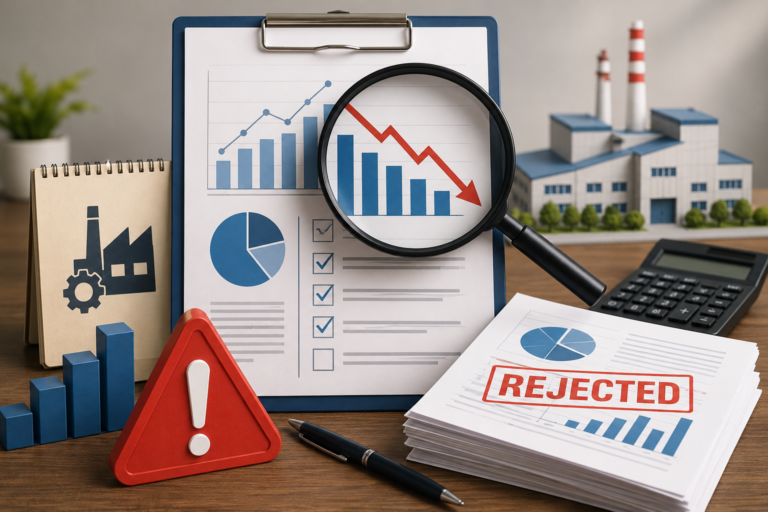
A feasibility study is a look at whether it is possible to take a project from an idea or something made in a lab to actually making and selling it. It looks at factors that can affect if the project will be successful.
The study usually looks at what’s needed technically if it is possible to make it if people will buy it if it will make money if it follows the rules and what could go wrong. By looking at these items, companies can make decisions before spending a lot of money.
2. Checking if It Will Work Technically and Making Sure the Process Is Good
One of the important parts of a feasibility study is checking if it will work technically. Researchers see if the process can work well when making a lot more of something without affecting the quality of the product.
This stage often includes trying it out on a scale, where the production is done on equipment that is similar to what would be used in a real factory. These trials help find problems with mixing, heating, cooling, handling materials, how fast reactions happen and how well the equipment works.
The information from these trials helps engineers make the process better and find the way to do standard tasks for future manufacturing.
3. Looking at the Money Side of Things
Even if a process works technically, it also has to make financial sense. Feasibility studies look at the money side of issues to see if the project can make money.
This usually includes:
- How much money is needed to start
- How much the equipment and buildings will cost
- How much the materials will cost
- How much it will cost to pay workers and for utilities
- How much it will cost to maintain and run things
- How money the company thinks it will make
- If the company will make a profit
Understanding these things helps companies see if the project is a good idea and find ways to save money if needed.
4. Looking at the Market and If the Product Will Sell
A successful product needs a market. It includes looking at the market to see if people will buy the product what is trending, who the competition is and how much the market could grow.
Looking at the market helps answer questions like:
- Is the product in demand?
- the product will be bought by whom?
- What’s the reason that makes the product better than others?
- How big the market could be?
The information from the market helps companies make decisions and plan production based on the requirements of the customer.
5. Rules That Must Be Followed to Be Safe
When you make a number of things, there are usually many rules you have to follow to be safe and to protect the environment. These rules can vary based on what you’re creating and where you’re selling it.
A study examines which rules apply and what approvals, certifications and paperwork are needed before production can begin.
By taking care of these you can avoid delays and keep the project moving more smoothly.
6. Finding and Fixing Potential Problems
Every project that involves making more of something has some level of risk. Things can go wrong technically there can be problems with getting materials the market can. It can cost more than expected.
Feasibility studies help companies find problems before they spend a lot of money. Once they know what could go wrong they can come up with plans to prevent or fix these problems.
Examples of managing risk include finding suppliers, making the process better, planning for things that could go wrong, and doing things in stages.
7. The Good Things About Doing a Feasibility Study
Doing this has advantages for companies that want to start making things on a big scale.
The good things about doing a feasibility study include:
- Making decisions
- Being less unsure about money
- Using resources better
- Finding problems early
- Making investors more confident
- Having a chance of success
By giving companies a complete understanding of what is needed for the project and what could go wrong feasibility studies help companies move forward with confidence.
Frequently Asked Questions (FAQs)
1. Why should you do a feasibility study before you start commercial production?
Feasibility study enables to evaluate technical, financial and operational aspects before a large scale investment. It points out potential challenges and assesses the potential for successful commercialization of the project.
2. What is the difference between pilot and lab scale testing?
Lab-scale testing is performed in a controlled research environment with small quantities of materials and pilot-scale testing involves larger equipment and production volumes that approximate commercial manufacturing conditions.
3. How long does it take to complete a feasibility study?
The time taken depends on the complexity of the project, industry requirements and the amount of data required. Simple studies may take several weeks, more elaborate evaluations several months.
Conclusion
Going from making something in a lab to making it in a factory is a complicated process that needs more than just scientific success. Companies have to look at if it works technically if it makes money if people will buy it if it follows the rules and what could go wrong before they start making things.
Feasibility studies are a tool for looking at these things and making a plan for success. By taking the time to do a study and plan companies can reduce uncertainty be more efficient and have a higher chance of long-term success, with their product.