Starting a manufacturing unit is a big job that involves more than just getting machines, workers, money and raw materials. The new factory also has to work in a way that does not hurt the environment and follows the regulation. These statements are made to stop pollution protect resources, manage scrap safely, and reduce the bad effects of factories on the people living around them.
For people who want to start their businesses, understanding environmental compliance from the beginning can help them avoid problems later. The exact rules they have to follow depend on what kind of factory they want to build how big it will be, where it will be located and how it will affect the environment.
What Is Environmental Compliance?
Environmental compliance means following the laws, rules, and standards that are made to protect the environment. For a manufacturing business this can include things like:
- Air coming out of factories
- Sewage
- Solid and hazardous scrap
- Noise from machines
- Handling chemicals
- Using water
- Using energy
- Equipment that controls pollution
- Keeping records of what’s done to protect the environment
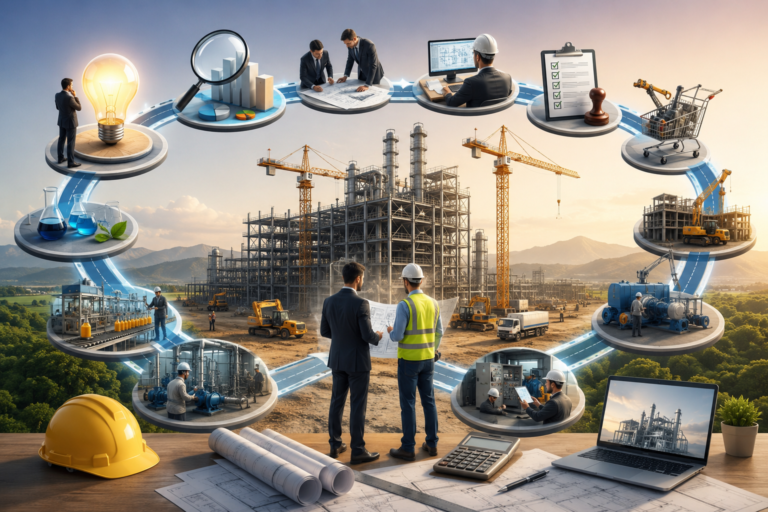
Compliance is not just about filling out paperwork after the factory is built. It can be thought about when choosing a site designing the production process, buying machines, and making the project plan.
Why Is Environmental Compliance Important?
Environmental rules are important for business reasons. Factories can make things like emissions, wastewater, and scrap that can hurt the environment. Following the regulation helps minimize these effects.
If a factory does not follow the rules, it can get in trouble and have to pay fines or even be stopped from working. On the other hand, following the regulation can make a company look good to its customers, lenders, and business partners.
Identify Applicable Requirements Before Starting
The thing a new manufacturing unit should do is figure out which environmental regulation apply to it.
The regulation can be different depending on:
- What kind of manufacturing process is used?
- What raw materials and chemicals are used?
- How much is produced?
- What kind of waste is made?
- How much water is used?
- What kind of air emissions are made?
- Where the factory is located
- What kind of industry it is
- If there are areas nearby
In India, business owners may need to talk to the State Pollution Control Board or other authorities to find out what regulation apply to them.
It is an idea to find out what permissions are needed before spending a lot of money on machines or building the factory.
Choose the Industrial Site Carefully
Choosing the site for the factory is very important for environmental compliance. A site may look good for business. It can cause problems with the regulation because of where it is or what is around it.
Before picking a site, business owners should look at:
- If there are roads, water, and electricity
- How wastewater will be handled
- If there are facilities to get rid of scrap
- How far it is from areas
- What the local rules are
- If it is easy to get to for waste transportation
- If there are already systems in place to control pollution
Picking the site can make it easier to follow the regulation and can save money in the long run.
Obtain Necessary Environmental Permissions
Depending on what kind of factory it’s, business owners may need to get different kinds of approvals or consents before they can start building or working.
They need to check with the authorities to see what is needed for their business.
Starting work without the approvals can cause big problems.
Manage Air Pollution
Factories can cause air pollution, so business owners need to take steps to control it. This can include:
- Putting in equipment to clean the air
- Keeping machines in shape
- Stopping dust from getting out
- Using ways of making things
- Watching the air to make sure it is clean
- Keeping records of what’s done
The right way to control air pollution depends on what kind of factory it is and what the regulation say.
Handle Wastewater Responsibly
Factories that use a lot of water can make wastewater that has things in it. Even small factories need to know where the wastewater comes from and how it will be handled.
Business owners should:
- Find out where the wastewater comes from
- Figure out how much wastewater there will be
- Determine what kind of things are in the wastewater
- Decide how to treat the wastewater
- Plan how to get rid of the wastewater or reuse it
If needed, treatment facilities should be designed to handle the kind of scrapwater that is made.
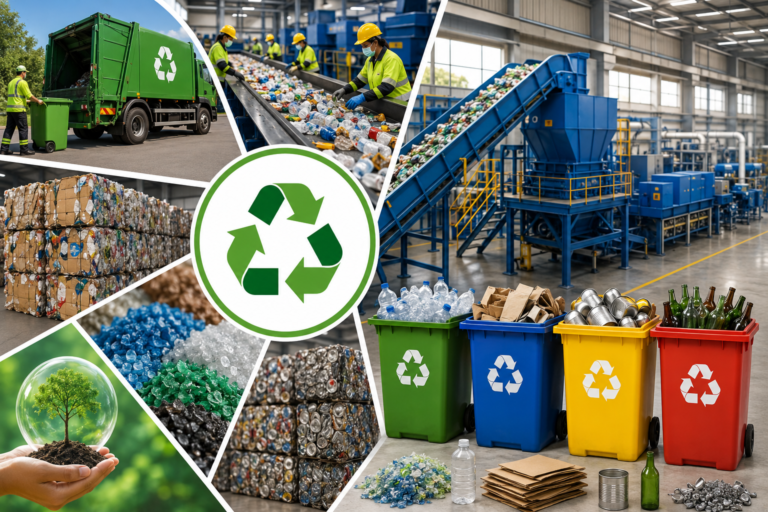
Plan Waste Management
Waste management is a part of running a responsible factory.
Business owners should:
- Find out what kind of waste is made.
- Decide how to handle the waste.
- Try to reduce, reuse, recover, recycle, and dispose of waste safely.
They should also keep track of how much waste’s made and how it is handled.
Control Noise and Workplace Impacts
Factories can be noisy, so business owners need to take steps to reduce the noise. They can:
- Keep machines in shape.
- Put machines in enclosures
- Use barriers to block the noise.
- Control vibrations
- Place machines in a way that reduces noise.
- Watch the noise levels
They must also also think about how to make the workplace safer.
Maintain Environmental Records
Following the regulation is not about putting in equipment to control pollution. Keeping records is also very important.
Business owners should keep track of:
- Permissions and approvals
- Monitoring reports
- scrap records
- Water usage
- Machine maintenance
- Pollution-control equipment
- Incident reports
- Submissions to authorities
Having records can help show that the factory is following the regulation and can make it easier to deal with inspections.
Build Compliance Into the Project Plan
rules should be thought about when making the project plan and budget.
Business owners should include:
- Equipment to control pollution
- Systems to treat wastewater
- Facilities to store scrap
- Monitoring systems
- Water-saving systems
- Energy machines
- Costs for following the rules
- Money for maintenance and operations
Not thinking about these costs can lead to expenses later on.
Adopt Cleaner Production Practices
Following rules should not just be about what the law says. It can also help reduce costs.
Business owners can:
- Use energy- machines
- Recycle water
- Use materials in a way that reduces waste
- Reduce waste
- Keep machines in shape
- Use materials
- Use energy when possible
- Improve production processes
Reducing waste can lower costs reduce risks and help the environment.
Common Mistakes New Manufacturers Should Avoid
There are some mistakes that can cause problems with following the rules. These include:
- Choosing a site without checking the rules
- Starting work without getting the approvals
- Not thinking about how much waste will be made
- Not treating wastewater
- Not budgeting for equipment to control pollution
- Not storing chemicals
- Not keeping records
- Not thinking about how changes in production can affect the environment
It is better to be proactive and think about these things from the beginning.
Environmental compliance is a part of starting a new manufacturing unit. From choosing a site to managing waste following the rules can affect parts of running a factory.
Business owners should find out what rules apply to them get the approvals invest in equipment to control pollution keep good records and regularly check to make sure they are following the rules.
Following the rules can help a factory run smoothly reduce pollution and avoid problems with the law.
Frequently Asked Questions
1. What does environmental compliance mean for a manufacturing unit?
It means following the laws and rules that are made to protect the environment.
2. Is approval required for every manufacturing business?
Not always. The rules depend on what kind of factory it’s how big it is, where it is and what kind of emissions and waste it makes.
3. When should environmental requirements be checked?
They should be checked when making the project plan and choosing a site before starting work.
4. What kinds of pollution should manufacturers think about?
They should think about air emissions, wastewater, solid waste, hazardous waste, noise and other things that can hurt the environment.
5. Why is waste management important?
It helps reduce risks and makes sure that waste is handled in a responsible way.
6. Can following rules increase costs?
There may be some expenses, at first. Following the rules can also help reduce costs in the long run.
7. Should environmental costs be included in a project budget?
Yes they should be included in the budget.
8. How can a new factory improve its performance?
It can reduce waste use energy efficiently conserve water keep machines in shape and regularly check its environmental performance.