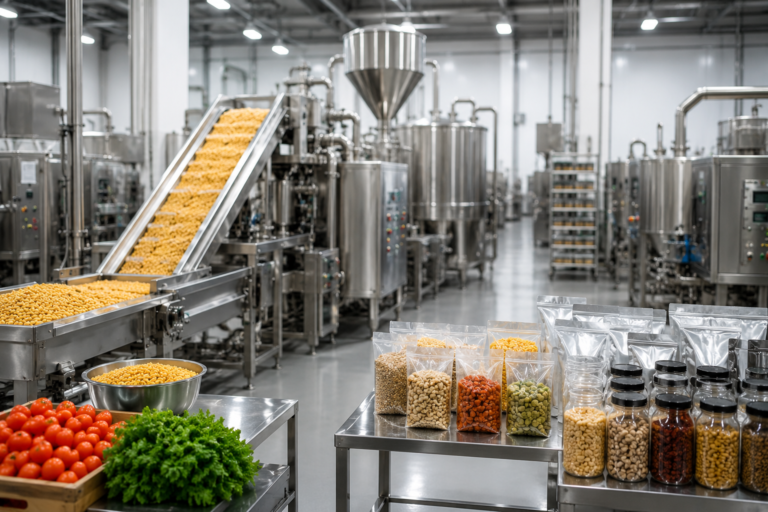
India is one of the world’s largest producers of fruits, vegetables, dairy products, meat, seafood, and pharmaceuticals. However, a significant portion of these products is lost due to inadequate cold chain infrastructure. As demand for temperature-controlled storage continues to rise, investing in a cold storage unit has become an attractive business opportunity.
One of the first questions entrepreneurs and investors ask is, “What is the cost to set up a cold storage unit in India?”
The answer depends on several factors, including storage capacity, location, construction type, refrigeration technology, and automation requirements.
In this guide, we’ll break down the cost to set up cold storage unit India, explore the major cost components, discuss government support, and share practical tips to help you plan your investment effectively.
What is a Cold Storage Unit?
A cold storage unit is a temperature-controlled warehouse designed to preserve perishable products for extended periods. These facilities help maintain product quality, reduce spoilage, and ensure a stable supply chain for industries such as agriculture, food processing, pharmaceuticals, dairy, seafood, and floriculture.
Modern cold storage facilities can operate at different temperature ranges depending on the products being stored, making them an essential part of India’s growing cold chain ecosystem.
Factors Affecting the Cost to Set Up Cold Storage Unit India
The total project cost varies widely because every cold storage project has unique requirements.
1. Storage Capacity
Capacity is one of the biggest cost drivers.
Examples include:
- Small units: 500–1,000 MT
- Medium units: 2,000–5,000 MT
- Large commercial facilities: 5,000 MT and above
Larger facilities require greater investment in civil construction, refrigeration systems, electrical infrastructure, and handling equipment.
2. Land Cost
Land prices differ significantly based on location.
Projects near agricultural hubs, food processing clusters, highways, ports, or industrial zones may involve higher land costs but provide better logistics and business opportunities.
If land is already owned, the overall project investment decreases substantially.
3. Civil Construction
Construction expenses generally include:
- Warehouse structure
- Insulated walls and roofing
- Flooring
- Utility rooms
- Loading and unloading docks
- Office space
- Drainage systems
High-quality insulation plays a crucial role in reducing long-term energy consumption.
4. Refrigeration System
The refrigeration system is often the largest component of the project cost.
It typically includes:
- Compressors
- Condensers
- Evaporators
- Cooling units
- Refrigerants
- Control panels
- Monitoring systems
Choosing energy-efficient refrigeration equipment can reduce operating expenses over the life of the project.
5. Electrical Infrastructure
Cold storage facilities require reliable power infrastructure, including:
- Transformers
- DG backup systems
- Electrical panels
- Wiring
- Power distribution systems
- Safety equipment
Power reliability is especially important because temperature fluctuations can damage stored products.
6. Material Handling Equipment
Operational efficiency depends on suitable handling equipment such as:
- Pallet racks
- Forklifts
- Pallets
- Dock levelers
- Conveyors
- Weighing systems
Automation increases investment but improves productivity and storage efficiency.
Estimated Cost to Set Up Cold Storage Unit India
While costs vary by project size and location, the following estimates provide a general idea.
| Capacity | Estimated Investment |
|---|---|
| 500–1,000 MT | ₹1 crore to ₹3 crore |
| 2,000–5,000 MT | ₹3 crore to ₹8 crore |
| 5,000 MT and above | ₹8 crore to ₹20 crore or more |
These estimates may vary depending on land prices, technology, automation, and project specifications.
Operating Costs to Consider
Apart from the initial investment, businesses should budget for recurring operating expenses.
Major operational costs include:
- Electricity consumption
- Employee salaries
- Equipment maintenance
- Refrigerant replacement
- Insurance
- Security
- Transportation
- Quality inspections
- Repairs
- Administrative expenses
Electricity usually represents the largest recurring operating cost for cold storage businesses.
Government Subsidies for Cold Storage Projects
The Government of India promotes cold chain infrastructure through various subsidy and financial assistance programs.
Depending on project eligibility and applicable guidelines, businesses may benefit from support under schemes offered by:
- Ministry of Food Processing Industries (MoFPI)
- National Horticulture Board (NHB)
- Agricultural Infrastructure Fund (AIF)
- State government incentive programs
Eligibility criteria, subsidy percentages, and application procedures vary based on the scheme and project location.
Proper project planning and documentation are essential to maximize available benefits.
Documents Required for Setting Up a Cold Storage Unit
While documentation requirements differ by project and financing source, businesses generally need:
- Business registration documents
- PAN and GST registration
- Land ownership or lease documents
- Detailed Project Report (DPR)
- Financial statements
- Bank loan documents (if applicable)
- Building approvals
- Environmental clearances (where applicable)
- Electrical approvals
- Project cost estimates
Maintaining complete documentation helps speed up project approvals and financing.
How to Reduce the Cost of Setting Up a Cold Storage Unit
Businesses can optimize investment by following a strategic approach.
Some practical methods include:
- Selecting the right project capacity
- Investing in energy-efficient refrigeration systems
- Choosing locations with good logistics connectivity
- Utilizing available government subsidies
- Preparing a comprehensive Detailed Project Report (DPR)
- Planning future expansion during initial construction
- Partnering with experienced project consultants
These measures can improve long-term profitability while reducing operational risks.
Why Professional Project Consulting Matters
Cold storage projects involve technical planning, financial analysis, regulatory approvals, infrastructure design, and subsidy planning. Even minor mistakes in capacity planning or documentation can lead to cost overruns and project delays.
Professional consultants help businesses assess project feasibility, estimate investment accurately, prepare Detailed Project Reports (DPRs), identify suitable government incentives, and guide them through the setup process.
With expert planning, businesses can avoid unnecessary expenses and develop a cold storage facility that meets both operational and financial objectives.
Conclusion
Understanding the cost to set up cold storage unit India is the first step toward building a successful cold chain business. While project costs vary depending on capacity, technology, location, and infrastructure, careful planning helps optimize investment and improve long-term returns.
Businesses should evaluate every cost component, explore available government incentives, and prepare a well-structured project plan before beginning construction.
If you’re planning to establish a cold storage facility, Chemax Consultancy offers professional Cold Storage Project Consulting services to help you evaluate project feasibility, estimate costs, prepare Detailed Project Reports (DPRs), and guide you through every stage of project development.
Frequently Asked Questions (FAQs)
1. What is the average cost to set up a cold storage unit in India?
The investment typically ranges from ₹1 crore for smaller facilities to ₹20 crore or more for large commercial cold storage projects, depending on capacity, location, and technology.
2. What is the biggest cost component in a cold storage project?
The refrigeration system and civil construction generally account for the largest share of the total project cost.
3. Can I get a government subsidy for a cold storage project?
Yes. Eligible businesses may receive financial assistance under schemes offered by MoFPI, NHB, the Agricultural Infrastructure Fund (AIF), and various state governments, subject to applicable guidelines.
4. What documents are required to start a cold storage business?
Common documents include business registration, land documents, PAN, GST registration, Detailed Project Report (DPR), financial statements, approvals, and project estimates.
5. Why is a Detailed Project Report (DPR) important?
A DPR provides technical, financial, and operational details of the project. It is often required for bank financing, subsidy applications, and informed investment planning.